
Where Luck Meets Skill The Delicate Balance in Games and Life
Where Luck Meets Skill: The Delicate Balance in Games and Life
In the fascinating world of games and sports, the dynamic interplay between luck and skill has long been a subject of intrigue. Whether it’s rolling dice, drawing cards, or executing a perfect play, both elements are often at play, contributing to the outcome of events in unexpected ways. This essay explores the complex relationship between luck and skill, examining how they influence our lives, shape our decisions, and impact our enjoyment of games. One vivid example of this intersection can be seen in gaming platforms like Where Luck Meets Skill and Rewards Follow bet andreas, where strategy and chance converge to create exhilarating experiences for players.
The Nature of Luck and Skill
Luck is often described as a random, uncontrollable force that can lead to unexpected outcomes. It can come in many forms: drawing the right card at the right moment, hitting the jackpot in a slot machine, or simply rolling consecutive sixes in a game of dice. In contrast, skill refers to the ability to perform tasks proficiently, honed through practice, experience, and knowledge. In many scenarios, skill can significantly enhance the likelihood of success; however, it cannot eliminate the role of luck entirely.
Games of Pure Skill vs. Games of Pure Luck
When analyzing different types of games, it’s essential to recognize the distinction between those that rely solely on skill and those that depend mainly on luck. Chess, for example, is a quintessential skill-based game, where outcomes are determined by the players’ intellect and strategy. Each move is a direct reflection of the player’s skills, and luck plays virtually no role in the outcome.
On the opposite end of the spectrum, games like roulette or slot machines emphasize luck almost entirely. Players have no control over outcomes, and success is random. These games attract individuals seeking excitement driven by the uncertainty of chance and the thrill of potentially winning big.
The Hybrid Nature of Most Games
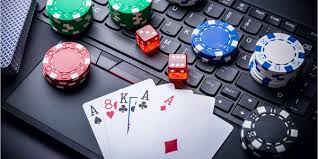
Most games, however, fall somewhere in between pure skill and pure luck. Poker is a perfect example of this hybrid nature. While players must possess a certain level of skill in understanding odds, probabilities, and human psychology, the deal of the cards introduces a significant element of luck. A highly skilled player can often outperform less skilled opponents in the long run, but a fortunate hand can turn the tides in an instant.
This duality can also be seen in sports. Consider basketball: while athletic ability, training, and strategy pave the way for success, chance events, like an unexpected bounce of the ball or an incorrect referee call, can influence the outcome. Such uncertainties create drama and excitement, attracting audiences who relish both the artistry of skillful play and the unpredictability of luck.
Strategic Thinking in Uncertain Environments
Understanding the interplay between luck and skill sheds light on how individuals strategize in uncertain environments. Players often devise strategies that account for both predictability and randomness, adjusting their approaches based on their experiences and observations. In poker, for instance, successful players analyze their opponents’ betting patterns, adjusting their strategies while also gauging the inherent luck of the draw.
In many competitive scenarios, embracing the unpredictable nature of luck is crucial. Athletes, for instance, often accept that while they can prepare and train to enhance their skills, they can’t control every factor during a game. This acceptance allows them to focus on their performance, optimizing decisions rather than becoming paralyzed by the potential influence of luck.
Luck and Skill in Everyday Life
The concept of luck versus skill extends beyond games and sports into our daily lives. Many life decisions—including jobs, relationships, and investments—carry an element of chance. A chance encounter can lead to a great opportunity, while an unforeseen circumstance can derail even the most carefully laid plans. In this regard, skill plays a role in how we navigate these uncertainties.
Making informed decisions based on available information is akin to applying our skills in a game. Critical thinking and creativity allow us to adapt and evolve when faced with unexpected challenges. However, acknowledging the role of luck is equally important, enabling us to remain open to opportunities that we may not have accounted for.
Growth Through Acceptance
Recognizing the limits of our control can ultimately lead to personal growth. In both games and life, accepting that luck plays a role in outcomes encourages resilience and adaptability. Rather than becoming discouraged by misfortunes, individuals can learn to focus on improving their skills, increasing their chances of success in the long run.
This concept is evident in various pursuits, from artists honing their craft to entrepreneurs experimenting with innovative ideas. Although luck may play a part in the journey, diligence and skillful execution are what often set the stage for success.
Final Thoughts: Embracing the Balance
The fascinating interplay between luck and skill enriches our experiences, both in gaming and in life. As we navigate through uncertainty, understanding how both elements contribute to outcomes allows us to approach challenges with a balanced perspective. Games that incorporate both aspects teach valuable lessons, and real-life applications of these principles can lead to personal growth and fulfillment.
Ultimately, embracing the balance between luck and skill can help us become more strategic thinkers, adaptable individuals, and enthusiastic participants in life’s unpredictable adventures. Whether in betting, playing games, pursuing a career, or building relationships, the appreciation of this delicate balance can enhance our enjoyment and success.
Leave a Reply
Want to join the discussion?Feel free to contribute!