
The Essential Guide to Forex Trading for Beginners

Forex Trading Basics: A Beginner’s Guide
Forex trading, also known as foreign exchange trading, involves the buying and selling of currencies in the foreign exchange market. It is one of the largest and most liquid financial markets in the world, with a daily trading volume exceeding $6 trillion. If you’re a beginner looking to delve into forex trading, it is essential to understand the fundamental concepts that will guide you through your trading experience. For an insightful overview of available options, you can check out forex trading basics beginners guide Forex Brokers in Jordan.
What is Forex Trading?
At its core, forex trading is the act of exchanging one currency for another, at an agreed price. Traders look to profit from currency fluctuations by speculating whether one currency will appreciate or depreciate compared to another. The forex market operates 24 hours a day, five days a week, providing traders with ample opportunities to enter and exit trades.
Understanding Currency Pairs
Currencies are traded in pairs, which designate the value of one currency against another. The first currency in a pair is known as the “base currency,” while the second is the “quote currency.” For example, in the currency pair EUR/USD, the Euro is the base currency, and the US Dollar is the quote currency. When trading, if you believe the base currency will increase in value against the quote currency, you would buy the pair. Conversely, if you believe it will decrease, you would sell the pair.
The Why: Trading Motivation
Many people engage in forex trading for different reasons, including making a profit, hedging against currency risks, or diversifying their investment portfolios. It’s important to establish your trading goals and understand your risk appetite before diving into the forex market.
Key Terminology in Forex Trading
Familiarizing yourself with common forex terminology is crucial for navigation in the trading world. Here are some essential terms:
- Pip: A pip is the smallest price movement in a currency pair, typically measured in the fourth decimal place.
- Leverage: Leverage allows traders to increase their exposure to the market without having to put down the full amount of capital. However, it also increases risk.
- Margin: Margin is the amount of money required to open a leveraged position, serving as collateral for your trade.
- Spread: The spread is the difference between the bid price and the ask price of a currency pair.
Types of Forex Analysis
To make informed trading decisions, traders often rely on various types of market analysis. The main types include:
Technical Analysis
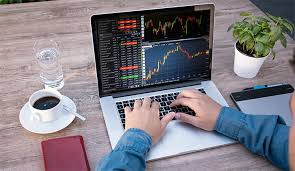
Technical analysis involves evaluating historical price data and using charts to identify patterns and trends. Traders use various indicators, such as moving averages and Bollinger Bands, to forecast future price movements.
Fundamental Analysis
Fundamental analysis considers economic indicators, news events, and geopolitical factors that may impact a currency’s value. Traders who use this method keep abreast of economic news releases, such as interest rate changes and employment reports, to make their trading decisions.
Sentiment Analysis
Sentiment analysis gauges the overall mood of the market and helps traders understand whether market participants are feeling bullish (optimistic) or bearish (pessimistic) about a particular currency pair.
Developing a Trading Strategy
Creating a well-defined trading strategy is paramount for success in forex trading. A trading strategy outlines your trading goals, risk management rules, and entry and exit criteria. Here are some popular trading strategies:
- Scalping: A short-term strategy aiming for small profits on numerous trades throughout the day.
- Day Trading: Involves opening and closing trades within a single day, avoiding overnight exposure to market risk.
- Swing Trading: A medium-term strategy where traders look to profit from price swings over several days to weeks.
Risk Management in Forex Trading
Effective risk management is vital in forex trading as it helps protect your capital from significant losses. Here are some tips for managing risk:
- Use leverage wisely and understand the implications it has on your trading account.
- Set stop-loss orders to limit potential losses on your trades.
- Avoid risking more than 1-2% of your trading capital on a single trade.
- Maintain a trading journal to review your trades and improve your strategies over time.
Choosing a Forex Broker
Selecting the right forex broker is crucial for your trading success. Look for a broker that offers competitive spreads, reliable execution, a user-friendly trading platform, and strong customer support. Additionally, ensure that the broker is regulated by a reputable financial authority to safeguard your funds.
Conclusion
Forex trading can be a rewarding endeavor for those who take the time to learn the fundamentals and develop a solid trading strategy. By understanding key concepts, analyzing the market, and practicing effective risk management, beginners can navigate the forex market with greater confidence. As you embark on your trading journey, remember to stay educated, be patient, and continually adapt to the ever-changing market conditions. Good luck and happy trading!
Leave a Reply
Want to join the discussion?Feel free to contribute!