Revolutionizing Communication The Rise of Offline Speech to Text Apps
Revolutionizing Communication: The Rise of Offline Speech to Text Apps
In an increasingly digital world, communication remains a fundamental aspect of our daily lives. While online tools and applications have significantly enhanced our ability to share information, they often come with limitations such as the need for a stable internet connection. This is where offline speech to text app Speech to Text technology, particularly offline speech to text apps, make a notable impact. These tools not only enable transcription of spoken language into written text without relying on an internet connection, but they also offer a host of features tailored to improve user experience and accessibility.
What are Offline Speech to Text Apps?
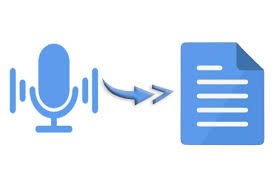
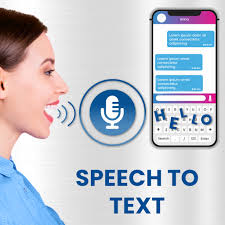
Offline speech to text applications are software programs designed to convert spoken language into written text without requiring an internet connection. They utilize advanced speech recognition technologies that are embedded within the application itself, allowing for seamless functionality even in environments where connectivity is limited. These apps are particularly beneficial for users who may need to transcribe notes during meetings, lectures, or while traveling.
The Technology Behind Offline Speech Recognition
Offline speech recognition technology relies on pre-trained models that can understand and process various languages and accents. These models are built using artificial intelligence (AI) and machine learning algorithms, which enable the app to recognize speech patterns, vocabulary, and context. Once trained, these models can perform real-time transcription, making them highly efficient for everyday use.
Key Features of Offline Speech to Text Apps
1. **Accuracy**: One of the primary concerns for users is the accuracy of transcription. The best offline speech to text applications are equipped with advanced algorithms that significantly improve accuracy, often achieving rates above 90%. This is particularly important in professional settings where precise documentation is crucial.
2. **Customization**: Many offline apps allow users to customize vocabulary, adding specific terms or jargon relevant to their industry. This feature ensures that the app can effectively understand and transcribe specialized language.
3. **Multiple Language Support**: A good offline speech to text app should support multiple languages, making it accessible to a broader audience. Users can easily switch between languages based on their needs.
4. **User-friendly Interface**: The best applications offer intuitive interfaces that make transcription quick and easy. Features such as voice commands, easy navigation, and simple settings enhancement cater to users of all technical levels.
5. **Privacy and Security**: Since offline apps do not require internet access, they significantly reduce the risk of data breaches, making them a safer alternative for sensitive information.
Benefits of Using Offline Speech to Text Apps
1. **Dependency on Internet Connectivity**: One of the most significant advantages of offline speech to text applications is their independence from internet connectivity. Users can transcribe their speech in remote locations, during travel, or in areas with limited or no internet access.
2. **Enhanced Productivity**: These applications streamline the note-taking process, allowing professionals, students, and anyone with a busy schedule to focus on speaking while the app handles the transcription. This boosts productivity and saves valuable time.
3. **Versatility**: Offline speech to text apps can be used in various scenarios, from academic settings where students transcribe lectures to creative environments where writers capture ideas on the go. Their versatility makes them appealing across different fields.
4. **Cost-Effectiveness**: Many offline apps operate on a one-time payment model or offer free versions with essential features. This makes them a cost-effective solution compared to cloud-based alternatives that may charge subscription fees.

Applications and Use Cases
1. **Education**: Students can significantly benefit from offline speech to text apps by recording and transcribing lectures. These tools enable them to review materials later, enhancing learning and retention.
2. **Business**: In the corporate world, professionals can use these apps for meeting transcriptions, creating reports, and brainstorming sessions. This ensures that no vital information is lost during discussions.
3. **Healthcare**: Doctors and healthcare professionals can use offline speech to text applications for patient documentation, which can streamline their workflow and reduce paperwork.
4. **Content Creation**: Writers, filmmakers, and content creators can use these tools to quickly jot down ideas and drafts, allowing for a smoother creative process.
Choosing the Right Offline Speech to Text App
With numerous offline speech to text apps available in the market, it’s essential to consider several factors when choosing the right one:
- Price: Determine your budget and evaluate whether the features offered are worth the cost.
- User Reviews: Look for user feedback and ratings to gauge the effectiveness and reliability of an application.
- Feature Set: Analyze the features of different apps and match them with your needs.
- Device Compatibility: Ensure that the app is compatible with your device’s operating system.
Conclusion
As technology continues to evolve, offline speech to text applications are becoming an essential tool for enhancing productivity and communication. By eliminating the need for internet connectivity, these apps provide users with convenient, accurate, and versatile solutions for transcribing speech into text. Whether for educational purposes, business meetings, or creative writing, offline speech to text apps are transforming how we document our thoughts and ideas. As you consider incorporating such technology into your daily routine, weigh the various features and benefits to find the app that best suits your needs and preferences.